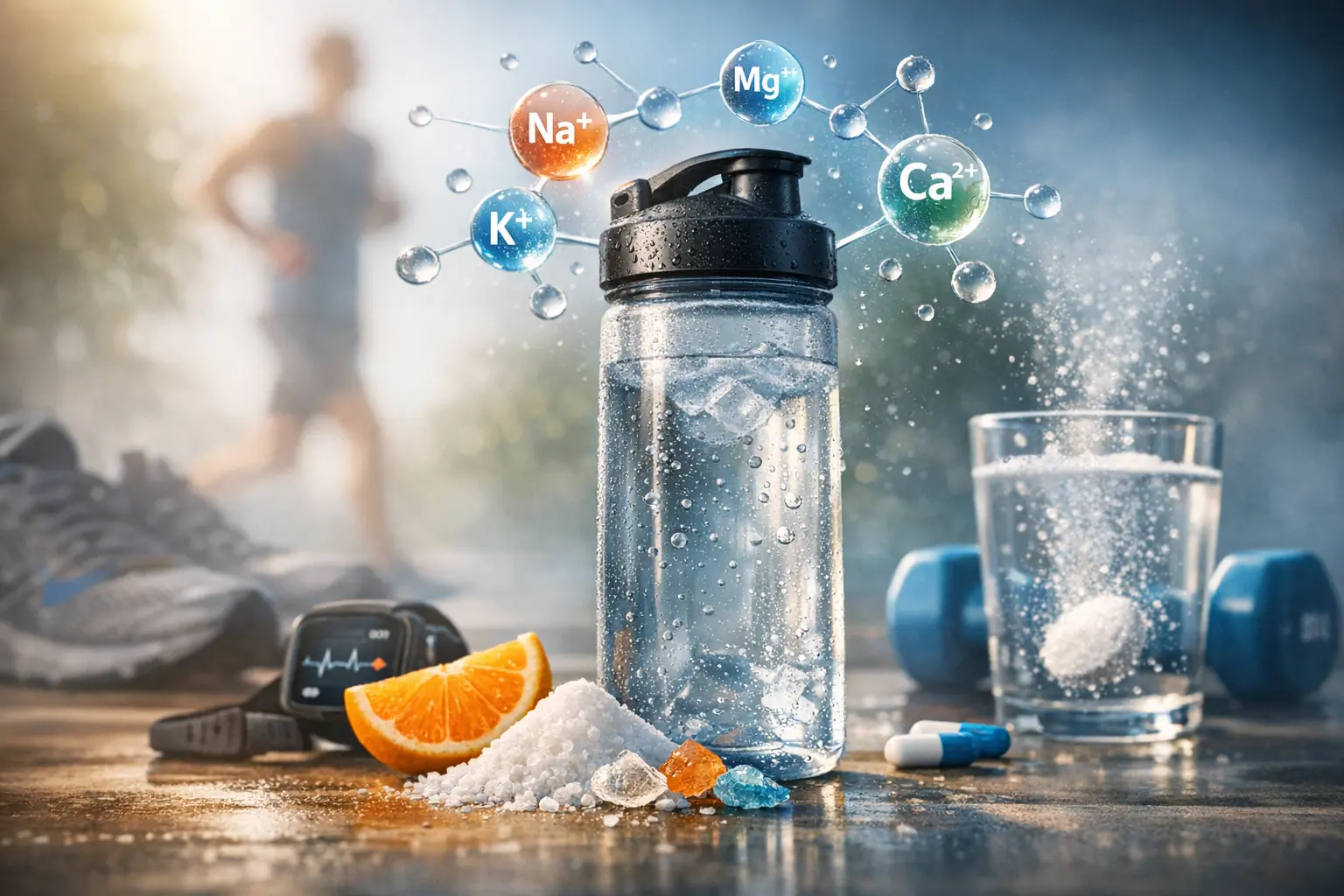
Hydration isn’t just about drinking more water—it’s about keeping the right minerals in the right balance so fluids actually move where your body needs them. When electrolytes are optimized, you can train harder, think clearer, cramp less, and recover faster; when they’re ignored, “healthy” habits like pounding plain water can backfire. This guide breaks down what electrolytes do, how they shape performance, how to spot imbalance early, and how to build a hydration strategy that holds up under real-world heat, sweat, altitude, and busy schedules.
Understanding Electrolytes: The Essential Minerals for Hydration
Electrolytes are minerals that carry an electric charge when dissolved in body fluids. That charge isn’t a trivia fact—it’s the reason your nerves fire, your muscles contract, your heart keeps its rhythm, and water moves across membranes instead of sloshing aimlessly through your system.
When people say “electrolytes,” they often mean a sports drink label. In reality, electrolytes are foundational physiology. The major players include sodium, potassium, chloride, magnesium, calcium, phosphate, and bicarbonate. Each has a distinct role, and hydration optimization depends on understanding the big three (sodium, potassium, chloride) plus the stabilizers (magnesium and calcium).
Sodium is the primary electrolyte outside cells (extracellular). It governs blood volume and helps regulate how much water your body retains. It’s also the electrolyte you lose most in sweat. If hydration had a “master key,” sodium would be it—especially for athletes, outdoor workers, sauna users, or anyone prone to heavy sweating.
Potassium is the primary electrolyte inside cells (intracellular). It’s essential for muscle contraction, nerve transmission, and maintaining cellular fluid balance. If sodium helps keep fluid in circulation, potassium helps keep fluid where it belongs—inside cells doing useful work.
Chloride often gets overlooked because it’s usually paired with sodium (as sodium chloride). Chloride supports fluid balance and is a key component of stomach acid, which matters for digestion and nutrient absorption—both relevant to performance and recovery.
Magnesium supports hundreds of enzymatic reactions, including those related to energy production (ATP), muscle relaxation, and nerve stability. Low magnesium can increase the “twitchiness” of the neuromuscular system, contributing to cramps, poor sleep, and stubborn fatigue.
Calcium is crucial for muscle contraction (including the heart) and nerve signaling. While calcium loss in sweat is smaller than sodium loss, inadequate intake can still affect performance over time, especially if training volume is high and dietary quality is inconsistent.
It’s also helpful to separate two related concepts: electrolyte intake (what you consume) and electrolyte balance (where those minerals end up and in what concentration). Your kidneys, hormones (especially aldosterone and antidiuretic hormone), and thirst mechanisms constantly adjust these levels. But intense exercise, heat exposure, illness, low-carb dieting, certain medications, and high fluid intake can overwhelm the system.
If you’ve ever wondered why one person can run in summer heat with minimal issues while another fades, cramps, or gets headaches despite “drinking plenty of water,” electrolyte variation is often part of the answer.
The Science of Hydration: How Electrolytes Influence Body Performance
Hydration is less about the volume you drink and more about fluid distribution: how much stays in the bloodstream, how much gets into cells, and how much is promptly excreted. Electrolytes drive that distribution through osmosis and electrical gradients across cell membranes.
Here’s the practical mechanism: water follows sodium. When sodium concentration in blood and extracellular fluid is appropriate, water is retained and circulates effectively—supporting blood pressure, skin blood flow for cooling, and delivery of oxygen and nutrients. When sodium is too low relative to water, the body shifts water into cells and reduces effective circulating volume. That can impair performance and, in worst cases, become dangerous.
Performance is particularly sensitive to hydration status because of its impact on cardiovascular strain and thermoregulation. As you sweat, plasma volume drops. Less plasma volume means your heart must beat faster to maintain output (a phenomenon endurance athletes recognize as “cardiac drift”). Meanwhile, reduced cooling capacity means your core temperature rises faster. The combination feels like: elevated perceived exertion, heavy legs, and a sudden inability to hold pace.
Electrolytes also influence:
Muscle function: Sodium and potassium gradients allow muscle fibers to contract and relax cyclically. When these gradients are disrupted, you may experience weakness, early fatigue, or coordination issues.
Nerve signaling: Electrolytes facilitate transmission of electrical impulses. This affects reaction time, balance, and even gastrointestinal motility during long events.
Fluid absorption: Sodium enhances water absorption in the small intestine via sodium-glucose transporters. This is why many effective rehydration solutions include sodium and a small amount of glucose—not for “energy” first, but for absorption efficiency.
A common misconception is that cramps are simply “lack of water.” In real life, cramps are multifactorial—neuromuscular fatigue is a major contributor—but electrolyte losses and sodium depletion can be a strong amplifier, especially when sweat rates are high and training intensity is sustained. Have you ever cramped late in a race after drinking mostly water? That pattern is a clue, not a coincidence.
Another subtle point: hydration optimization changes with diet. Low-carbohydrate diets often reduce glycogen stores, and because glycogen binds water, early low-carb phases can increase water loss. Low-carb eating can also reduce insulin, which affects sodium retention. The result is sometimes called the “low-carb flu”: headaches, lightheadedness, and fatigue that improve rapidly with sodium and fluids.
Hydration, then, isn’t a single lever. It’s a system: intake, sweat loss, kidney regulation, electrolyte availability, temperature, altitude, and intensity all interacting. The goal isn’t to “drink as much as possible.” The goal is to match needs without overshooting into imbalance.
Identifying Electrolyte Imbalance: Symptoms, Causes, and Health Risks
Electrolyte imbalance can hide in plain sight because its early symptoms mimic everyday issues: fatigue, headache, “brain fog,” or an off day in training. The key is pattern recognition—when symptoms cluster around sweating, heat, high fluid intake, or dietary changes.
Common symptoms of sodium depletion (hyponatremia spectrum):
Persistent headache, nausea, bloating, confusion, unusual fatigue, dizziness, and in more severe cases, vomiting and altered mental status. A classic scenario is drinking large volumes of plain water during prolonged exercise while sweating heavily. Weight gain during an endurance event (yes, gain) can be a red flag because it suggests fluid intake exceeded loss.
Common symptoms of dehydration with high sodium concentration (hypernatremia/dehydration):
Strong thirst, dry mouth, reduced urine output, dark urine, increasing heart rate, irritability, and declining performance. This is more likely when fluid access is limited, heat is high, or gastrointestinal issues prevent adequate drinking.
Potassium imbalance clues:
Muscle weakness, cramps, palpitations, constipation, and unusual fatigue. Potassium issues often involve diet quality, certain medications (notably some diuretics), and significant fluid losses from vomiting or diarrhea.
Magnesium insufficiency clues:
Muscle twitches, cramps, poor sleep, heightened stress response, and stubborn soreness. It’s rarely dramatic, but it’s common—especially in people with high sweat rates, high training loads, or diets low in nuts, legumes, and leafy greens.
Major causes of electrolyte imbalance include:
Heavy sweating without adequate sodium replacement (hot yoga, long runs, field sports, manual labor in heat).
Overhydration with low-electrolyte fluids (endurance events, “water challenges,” or well-intentioned constant sipping).
Gastrointestinal illness (diarrhea and vomiting rapidly deplete sodium, potassium, and chloride).
Dietary restriction (very low sodium intake, low-carb transitions, or low overall calorie intake).
Medications and medical conditions (diuretics, certain antidepressants, kidney disease, adrenal issues). If you suspect this category, professional guidance matters.
Why this matters beyond performance: severe electrolyte disorders can be medical emergencies. Exercise-associated hyponatremia, while not common, can be life-threatening. The risk increases with long duration events, aggressive fluid intake, low body mass, and cool conditions where thirst is muted but drinking continues “on schedule.”
For most active people, the practical aim is to catch the early signs: recurring headaches after long sweaty sessions, cramps that correlate with heat, persistent fatigue despite adequate calories, or feeling worse after drinking lots of water. If a simple electrolyte strategy reliably fixes the issue, you’ve likely found a missing piece.
Optimizing Hydration: Effective Strategies for Athletes and Active Lifestyles
Hydration optimization is a skill: you build a repeatable plan, then adjust based on sweat rate, conditions, and feedback. The best plan is specific enough to execute and flexible enough to adapt.
Step 1: Estimate your sweat rate (the cornerstone).
For a practical field test, weigh yourself (without clothes or with consistent minimal clothing) before and after a 60-minute session. Track how much fluid you drank during that hour.
Sweat loss (liters/hour) ≈ (pre-weight − post-weight in kg) + fluid consumed in liters − urine produced (usually zero during the hour).
Example: you lose 0.7 kg and drink 0.5 L: sweat rate ≈ 1.2 L/hour.
You don’t need lab precision. Even a ballpark number helps you avoid two major mistakes: under-drinking in heat and over-drinking in long events.
Step 2: Replace sodium proportionally to sweat and duration.
Sweat sodium varies widely. Some athletes are “salty sweaters,” leaving white streaks on clothing or stinging eyes; they can lose significantly more sodium per liter than others. Without testing, a pragmatic approach is to start with a moderate sodium target and adjust.
For long or very sweaty sessions, many athletes do well with 300–800 mg sodium per hour, with higher needs in hot conditions, high sweat rates, or for salty sweaters. If you’re training for hours in heat, sodium needs can climb further. The signal to adjust upward is not just cramps—also persistent performance fade, headaches, or excessive urine output despite heavy sweating.
Step 3: Use fluid strategy based on time and intensity.
Daily baseline: If you’re generally healthy, use thirst and urine color as rough guides—but don’t chase perfectly clear urine all day. Chronically over-diluting can push sodium low for some people.
Pre-hydration (when conditions are demanding): If you’re heading into heat or a long session, drinking 400–600 mL of fluid in the 60–90 minutes beforehand can help. Include sodium if you’re a heavy sweater or if it’s a long session. This is especially useful before races, long hikes, or field days where access to fluids is uncertain.
During exercise: For sessions under an hour, many people can do fine with water and normal meals—unless it’s extremely hot or intense. Beyond an hour, a plan helps. Aim to drink in a way that limits excessive body weight loss (a small loss is common) without gaining weight. If you’re gaining weight during endurance exercise, you’re likely over-drinking.
Post-exercise: If you finished depleted, rehydration isn’t just “drink a lot.” It’s “rebuild what you lost.” Fluids paired with sodium and food generally restore faster than plain water. A salty meal plus water is an underrated recovery tool. If your stomach is sensitive, a lower-sugar electrolyte solution can be easier than chugging fluids.
Step 4: Pair electrolytes with smart carbohydrate use when needed.
Carbohydrates aren’t mandatory for hydration, but they can improve absorption and support endurance output. For longer sessions, a drink with sodium plus a modest carbohydrate concentration can help maintain blood glucose and fluid uptake. The key is tolerability: too concentrated can cause stomach issues, especially in heat.
Step 5: Account for environment and lifestyle variables.
Heat and humidity: Sweat rate rises, sodium loss rises, and gut tolerance can drop. This is when sodium becomes most performance-relevant.
Altitude: Respiratory water loss increases and appetite can drop. Many people under-consume fluids and electrolytes at altitude, then wonder why headaches and fatigue escalate.
Travel: Flights, unfamiliar foods, and disrupted routines can increase dehydration risk. Pack electrolytes the way you pack chargers—because you’ll need them when options are limited.
Sauna and hot yoga: These can be surprisingly electrolyte-depleting. If you use heat as recovery, treat it like a workout for hydration purposes.
Practical, real-world examples:
The recreational runner in summer: If your 75-minute run leaves you with a headache and heavy fatigue despite drinking water, switch to a drink containing sodium and aim for consistent sips rather than large boluses. Add a salty snack afterward.
The strength athlete: Short sessions might not demand intra-workout electrolytes, but if you train in a hot gym, sweat heavily, or are on a lower-carb diet, sodium and magnesium intakes matter. A sodium-containing drink before training can improve session quality and reduce post-workout crash.
The hiker: Long, steady output plus sun exposure can lead to slow-burn dehydration. Bring electrolytes and a plan: drink regularly, replace sodium, and pay attention to appetite—if you stop eating, electrolyte intake often drops too.
A simple framework you can execute:
Short/easy (≤60 min): water as needed; normal meals.
Moderate (60–120 min or hot conditions): water + sodium (via electrolyte mix or salty foods); consider small carbs if intensity is high.
Long (2+ hours): planned fluid + planned sodium + planned fuel; adjust based on conditions and body feedback.
The most effective hydration plan is the one you can repeat without guesswork. Once you have a baseline, refinement becomes straightforward.
Innovative Solutions: Advanced Products and Techniques for Electrolyte Management
Electrolyte management has evolved far beyond neon-colored drinks. Today, you can dial in sodium, carbohydrate concentration, and even delivery format to match the specific demands of your sport, environment, and gut tolerance.
1) High-sodium electrolyte mixes (low or no sugar)
These are designed for heavy sweaters, low-carb athletes, or anyone who needs sodium without significant calories. They’re particularly useful in hot climates, long endurance sessions, and for people who experience bloating from sugary drinks. When choosing one, look for clear labeling of sodium per serving. In practice, sodium dose is the primary lever—potassium and magnesium can be supportive, but sodium drives fluid retention and circulating volume during sweating.
2) Oral rehydration-style solutions (ORS)
ORS formulations use a specific relationship between sodium and glucose to enhance intestinal absorption. They’re not just for illness; they can be effective when your gut is struggling in heat, at altitude, or late in long events. The advantage is efficiency: you may absorb more effectively with less stomach slosh. This can be a game-changer for athletes who feel like they “can’t drink enough” without GI distress.
3) Electrolyte capsules and chewables
Capsules offer modular dosing: you can increase sodium without forcing extra fluid or sweetness. This is useful when you have water access on course but need sodium separately, or when you prefer to drink to thirst but still require mineral replacement. Chewables can be convenient when running or cycling hard and you want faster access without mixing bottles.
Technique tip: If you use capsules, pair them with water. Swallowing sodium without fluid can irritate the stomach for some people.
4) Sweat testing and personalization
Sweat testing can estimate your sweat sodium concentration and give you a more personalized replacement target. While not mandatory, it’s valuable for athletes with recurring cramping, dramatic salt stains, or those competing in long hot events. Think of it like knowing your shoe size. You can guess, but accuracy saves pain.
5) Wearables and data-informed hydration
Some wearables estimate sweat loss, skin temperature, or provide reminders based on workload. These tools are best used as prompts, not dictators. Your body’s feedback—thirst, body weight trends, urine frequency/color, performance consistency—still matters. But data can help you notice patterns, like how much faster you dehydrate on windy sunny days versus cloudy ones.
6) “Train the gut” for higher fluid and sodium intake
Advanced endurance performance often hinges on what you can absorb while moving. You can condition your GI system by practicing your hydration and electrolyte plan during training, not just race day. Start conservative, then gradually increase toward your target ranges, especially in heat. Many athletes fail here: they build fitness but never build absorption capacity.
7) Food-first electrolyte strategies (often the most sustainable)
Not every solution comes in a packet. Broth, salted rice, pickles, olives, cheese, and salted potatoes can be practical sodium sources. For potassium and magnesium, prioritize fruits, potatoes, legumes, dairy, and leafy greens. The advantage is that food contributes to overall nutrient density and satiety, which supports consistent intake across heavy training blocks.
Smart selection: what should you prioritize?
If your main challenge is endurance in heat, prioritize sodium and a tolerable fluid plan.
If your main challenge is cramps and poor recovery, don’t ignore magnesium and total carbohydrate adequacy (low glycogen can increase perceived fatigue and alter fluid handling).
If your main challenge is GI distress, consider ORS-style formulations and reduce overly sweet, hyper-concentrated drinks.
Innovation helps, but the best “advanced” strategy is still fundamentals executed consistently: match sweat losses, replace sodium appropriately, and avoid extremes of under- or over-hydration.
Conclusion
Electrolyte and hydration optimization is about precision, not obsession: drink enough to support performance, include the minerals that keep fluid where it’s useful, and adjust based on heat, duration, diet, and your personal sweat profile. Sodium sets the foundation for fluid balance during sweating; potassium supports cellular function; magnesium and calcium stabilize the neuromuscular system over the long run. When you learn to spot early imbalance signals—headaches after long runs, persistent fatigue despite drinking, cramps that track with heat—you can correct course before it becomes a bad training cycle or a race-day failure.
Build a plan you can repeat: estimate sweat rate, set a realistic hourly fluid range, add sodium for longer or hotter sessions, and practice your approach until it’s automatic. Hydration isn’t a last-minute fix; it’s a performance system. Get the system right, and you’ll feel the difference where it matters most—steady energy, reliable output, and recovery that keeps you training forward instead of always catching up.