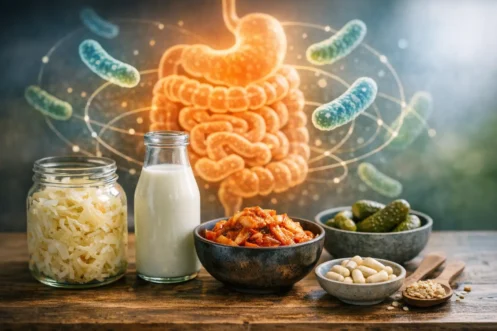
Ultra‑processed foods don’t just “save time”—they quietly reshape appetite, metabolism, and everyday health in ways most people never agreed to. If it feels like modern eating has become a tug‑of‑war between convenience and well‑being, you’re not imagining it: the rules of the food environment have changed, and understanding how ultra‑processed products are built, marketed, and normalized is the first step toward taking your diet back.
The Hidden Dangers of Ultra-Processed Foods: Understanding Their Impact on Health
Ultra‑processed foods (often shortened to UPFs) are not simply “processed.” Processing can be as basic as freezing vegetables, fermenting yogurt, or milling oats—steps that can preserve food and make it safer or more accessible. Ultra‑processing is different. It typically produces ready‑to‑eat or ready‑to‑heat items formulated from refined ingredients and additives, engineered for hyper‑palatability, long shelf life, and low cost.
So what’s the real concern—calories, sugar, or something broader? It’s broader.
1) Appetite and passive overeating
Ultra‑processed foods are often designed to be eaten quickly and repeatedly: soft textures, low chew resistance, intense flavor, and “just right” salt‑fat‑sweet combinations. That matters because the body’s satiety signals aren’t instantaneous. If you can eat 600 calories in a few minutes—without much chewing—your gut and brain have less time to register fullness. This is one reason many people find it easier to overeat UPFs without feeling “stuffed.”
2) Blood sugar volatility and energy crashes
Many UPFs rely on refined starches and added sugars with limited fiber. When fiber is stripped out, carbohydrates tend to digest faster, raising blood glucose more sharply. The result can be the familiar cycle: quick energy, then a dip, then cravings. Not every UPF is high sugar, but the pattern—refined carbs plus low fiber—is common enough to affect daily energy, mood, and hunger regulation.
3) Metabolic strain beyond calories
Most people have heard “a calorie is a calorie,” but the body doesn’t treat all foods identically. Protein is more thermogenic (it takes more energy to digest), intact fiber slows absorption, and minimally processed foods often require more chewing and digestion. UPFs tend to flip these levers in the opposite direction: less protein density, less intact fiber, and more refined ingredients that digest rapidly. Over time, that can make weight management harder even when someone is trying to “eat less.”
4) Gut health and the microbiome
Your gut bacteria thrive on diverse fibers and plant compounds found in whole foods. Ultra‑processed diets often displace that diversity. Additives like emulsifiers and certain sweeteners are also being scrutinized for how they may affect gut barrier function and microbial balance. You don’t need a lab test to feel the difference—many people notice changes in regularity, bloating, or cravings when their diet shifts heavily toward packaged convenience foods.
5) Cardiometabolic risk factors
Ultra‑processed diets can be high in sodium, low in potassium and magnesium, and skewed toward fats and carbs that are easy to overconsume. That combination can influence blood pressure, triglycerides, insulin sensitivity, and inflammation markers. These are not abstract outcomes—they show up in routine labs and blood pressure readings.
6) The “health halo” problem
Perhaps the most deceptive danger is psychological: many UPFs are marketed as “high protein,” “keto,” “gluten‑free,” “plant‑based,” or “fortified.” Those labels can be relevant, but they don’t automatically make a product health‑promoting. A protein bar can still be candy with a better marketing department. The health halo encourages people to trust the package rather than the ingredient list—and that’s exactly where ultra‑processing hides.
The point isn’t perfection or fear. The reckoning is simply this: when ultra‑processed foods dominate the diet, the body’s normal appetite controls, metabolic rhythms, and nutrient balance often get pushed off course. The next question becomes unavoidable: how are these products actually made?
The Process of Ultra-Processing: What Goes Into Your Food?
Ultra‑processing is better understood as industrial formulation rather than cooking. It often starts by breaking whole foods into commodities, then recombining them into something new.
Step 1: Strip foods into fractions
Common base ingredients include refined flour, isolated starches, sugar syrups, seed oils, protein isolates (soy, pea, whey), and milk solids. These fractions are shelf‑stable, cheap, and easy to standardize—ideal for manufacturing.
Step 2: Add a “sensory architecture”
Here’s where the engineered eating experience is built. Formulators use:
- Flavorings (natural or artificial) to create strong, consistent taste.
- Sweeteners (sugar, syrups, or non‑nutritive sweeteners) to amplify reward and mask off-notes.
- Salt and acids to sharpen flavor and increase palatability.
- Fats and fat mimetics to create creaminess and mouthfeel.
Step 3: Use functional additives to control texture and shelf life
These ingredients aren’t “seasonings”; they’re tools for stability and repeatability:
- Emulsifiers to keep oil and water mixed (think creamy sauces or stable dressings).
- Stabilizers and thickeners (gums, starches) to maintain texture through shipping and storage.
- Preservatives to prevent spoilage and extend shelf life.
- Colorants to signal freshness or flavor intensity (bright orange “cheddar,” neon candies).
Step 4: Apply intensive processing methods
Extrusion (used for many cereals and snacks), high‑temperature frying, hydrogenation (less common now but historically important), and other industrial techniques create textures that home kitchens can’t easily replicate. The goal is consistency: the chip should crunch the same in every city, every week, every year.
Step 5: Fortify to replace what was removed
Because refined ingredients lose natural vitamins, minerals, and phytonutrients, manufacturers often add a vitamin/mineral premix. Fortification can prevent deficiencies, but it can also create a misleading sense that a product is nutritionally complete. You can’t supplement your way out of a diet lacking intact foods.
Why this matters in real life
Ultra‑processed foods can separate calories from satiety. They can be energy‑dense yet nutrient‑thin. They can “hit” like food but behave like edible entertainment. If you’ve ever wondered why it’s easy to eat half a bag of something without intending to, you’re seeing the logic of formulation in action.
But you don’t need to memorize manufacturing jargon to protect yourself. You need a practical method for spotting UPFs quickly—starting with the label.
Decoding Nutrition Labels: How to Identify Ultra-Processed Foods
Most people look at calories first. Some check sugar or protein. Those numbers matter, but ultra‑processing often hides in plain sight: the ingredient list and the product’s “function.” Ask a simple question: Could I make something similar in my kitchen using familiar ingredients? If the honest answer is no, you’re likely dealing with a UPF.
Start with the ingredient list length—and the ingredient type
A long list isn’t automatically bad, but it’s a strong clue when the list contains ingredients you wouldn’t keep at home. Watch for:
- Isolated starches: modified food starch, maltodextrin, tapioca starch (context matters), corn starch in heavy use.
- Sugar variations: corn syrup, glucose syrup, rice syrup, dextrose, fructose, invert sugar.
- Industrial fats: “vegetable oil” blends, interesterified oils, palm kernel oil (often used for texture).
- Protein isolates: soy protein isolate, pea protein isolate (not always harmful, but commonly used in UPFs).
- Flavorings: “natural flavors,” “artificial flavors.” (These can represent complex formulations.)
- Emulsifiers/stabilizers: lecithins, mono‑ and diglycerides, carrageenan, polysorbate, xanthan gum, guar gum.
- Non‑nutritive sweeteners: sucralose, acesulfame potassium, aspartame, stevia extracts in heavily engineered products.
- Colorants: artificial colors, caramel color in certain contexts.
Look for “reconstructed” foods
Many UPFs mimic whole foods: breakfast sandwiches, chicken nuggets, “protein” pastries, shelf‑stable muffins, cheese-like slices, or ice creams with stabilizer systems. The food looks familiar, but it’s often built from fractions plus additives to imitate the original.
Beware of the macro trap
A label can show:
- 20g protein
- 5g fiber
- low sugar
…and still be ultra‑processed. It may rely on isolates, sweeteners, and additives to achieve those numbers. That doesn’t mean you can never eat it, but it shouldn’t automatically replace whole-food proteins and fibers (eggs, fish, beans, lentils, yogurt, nuts, vegetables).
Use a simple three-tier filter when shopping
- Tier 1: Whole or minimally processed — single ingredients or traditional combinations (oats, plain yogurt, eggs, frozen vegetables, canned beans with minimal additives).
- Tier 2: Processed culinary ingredients — olive oil, butter, salt, sugar, flour (used to cook real food).
- Tier 3: Ultra‑processed — formulations with multiple additives, flavor systems, and refined bases designed for convenience and hyper‑palatability.
Practical label-reading examples
If you compare two items in the same category, the differences become obvious:
Yogurt
Better: milk + live cultures (maybe fruit).
More ultra‑processed: “dairy blend,” added starches, sweeteners, “natural flavors,” stabilizer system.
Bread
Better: flour, water, yeast/sourdough, salt (maybe seeds).
More ultra‑processed: emulsifiers, dough conditioners, preservatives, added sweeteners for softness and shelf life.
Peanut butter
Better: peanuts + salt.
More ultra‑processed: added sugars, hydrogenated oils, flavorings to standardize taste.
Once you can spot UPFs, a more uncomfortable reality emerges: the people most exposed aren’t simply “undisciplined.” Ultra‑processed eating is strongly shaped by economics, time, and access.
The Socioeconomic Factors of Ultra-Processed Diets: Who Is Most Affected?
If ultra‑processed food were merely a matter of preference, public health would look different. In reality, UPFs thrive where budgets are tight, time is scarce, and cooking infrastructure has been eroded.
1) Price per calorie vs. price per nutrient
Ultra‑processed foods are often cheap when measured by calories. A family trying to stretch a budget can feed more people for less money using boxed meals, refined grains, and packaged snacks than with fresh fish, berries, or specialty produce. The problem is that calories are not the same as nourishment. When diets prioritize cost per calorie, nutrient density often falls.
2) Time poverty and decision fatigue
When someone is juggling multiple jobs, caregiving, commuting, or irregular shifts, convenience stops being a luxury and becomes a survival strategy. A frozen pizza or drive‑through meal is predictable, fast, and requires no cleanup. Whole-food cooking, even when simple, asks for planning, energy, and consistent access to a kitchen.
3) Food environments and access
In many neighborhoods, the most accessible options are gas stations, dollar stores, or small markets stocked with shelf-stable packaged foods. Even when a supermarket exists, the layout often pushes UPFs: endcaps, checkout lanes, aggressive promotions, and bulk deals on snack foods. Choosing whole foods can require traveling farther, paying more, and resisting intense marketing—every single week.
4) Marketing to children and normalization
Ultra‑processed brands excel at building lifelong customers early: bright packaging, cartoon mascots, “fun” shapes, and sweetened products framed as normal breakfast or normal snacks. When kids grow up thinking neon cereal is a standard morning meal, it takes deliberate re‑education to shift expectations.
5) Stress, sleep disruption, and coping
Chronic stress and poor sleep increase cravings for high‑reward foods. Ultra‑processed products are tailor‑made for this: quick, stimulating, and comforting. This is not a moral failure—it’s biology meeting an optimized modern food supply.
6) The stigma problem
Public conversations can unintentionally shame people who rely on convenience foods. Shame doesn’t improve diets; it drives secrecy and rebound eating. A better approach recognizes constraints and focuses on practical upgrades that fit real lives.
The good news is that stepping back from UPFs doesn’t require expensive “clean eating” culture. It requires strategy—small structural changes that reduce reliance on formulated foods without demanding perfection.
Strategies for a Whole Food Transition: Reclaiming Your Diet from Ultra-Processed Ingredients
A successful transition is not a willpower contest. It’s an environment redesign. The goal is to make whole-food choices easier than ultra‑processed defaults—most of the time.
1) Start with “anchor meals” you can repeat
Pick two breakfasts, two lunches, and two dinners you can reliably prepare. Repetition reduces decision fatigue.
Examples:
- Breakfast: eggs + toast + fruit; plain Greek yogurt + berries + nuts; oatmeal with cinnamon and banana.
- Lunch: bean-and-rice bowl with salsa and avocado; tuna or chickpea salad wrap; leftovers from dinner.
- Dinner: sheet-pan chicken/tofu + vegetables; stir-fry with frozen veg + rice; chili made with beans and ground meat/turkey.
2) Use the “one-ingredient upgrade” rule
Instead of overhauling everything, replace one ultra‑processed item at a time with a minimally processed version.
- Swap sugary cereal for oats or muesli with minimal ingredients.
- Swap flavored yogurt for plain yogurt + fruit.
- Swap chips for popcorn you pop yourself (oil + salt) or nuts.
- Swap soda for sparkling water + citrus.
3) Keep convenience—just change the type
Convenience isn’t the enemy; ultra‑processing is the usual source of it. Build a convenience toolkit from whole or minimally processed items:
- Frozen vegetables and frozen fruit
- Bagged salads (check for minimal additives in dressings)
- Canned beans/lentils (rinse to reduce sodium)
- Canned fish (salmon, sardines, tuna)
- Rotisserie chicken (not perfect, but often a net win)
- Microwaveable brown rice or quinoa with a short ingredient list
4) Rebuild your plate: protein, fiber, color
When meals feel satisfying, cravings drop. A simple structure:
- Protein: eggs, poultry, fish, Greek yogurt, tofu, legumes.
- Fiber: beans, lentils, vegetables, oats, berries, whole grains.
- Color: at least one colorful plant (greens, orange, red, purple).
This isn’t dieting; it’s satiety engineering—using basic physiology to your advantage.
5) Learn two “30-minute” cooking methods
You don’t need gourmet skills. Master two methods and you can produce dozens of meals:
- Sheet-pan method: protein + vegetables + olive oil + seasoning at 425°F/220°C.
- One-pot method: sauté aromatics (onion/garlic), add protein/beans, add vegetables, simmer with broth/tomatoes/spices.
6) Create “UPF boundaries” instead of bans
Total restriction backfires for many people. Consider boundaries like:
- UPFs only when socializing or traveling.
- Packaged sweets only on weekends.
- No ultra‑processed snacks at home; enjoy them outside if you choose.
Why this works: it protects your daily baseline while leaving room for real life.
7) Make snacks boring again (in a good way)
Ultra‑processed snacks are exciting by design. Whole-food snacks can feel “too simple” at first—until your palate resets.
Better snack defaults:
- Apple or banana + peanut butter (peanuts + salt)
- Carrots/cucumbers + hummus
- Cheese + fruit
- Nuts + dark chocolate (small portion)
- Leftovers (yes, leftovers can be the best snack)
8) Watch liquid calories and sweeteners
Beverages can be a stealth UPF delivery system: flavored coffees, energy drinks, sweetened teas, “vitamin waters,” and diet drinks packed with sweeteners. A simple target: make water, sparkling water, unsweetened tea, and coffee your defaults. If you use sweeteners, use them consciously—not automatically.
9) Handle cravings with “delay, dilute, decide”
When a craving hits:
- Delay 10 minutes.
- Dilute with a protein/fiber option first (yogurt, fruit, nuts, a real meal).
- Decide if you still want the treat—then have a portion on purpose.
This approach respects cravings without letting them drive the entire day.
10) If you have kids: change the defaults, not the lectures
Children respond to routine and availability more than nutrition talks. Serve whole-food breakfasts, keep fruit visible, make water the default drink, and treat ultra‑processed sweets as occasional—without turning them into forbidden treasure. Ask: What feels normal in our house? Normal is powerful.
11) Budget strategies that actually work
Whole-food eating can be affordable when you focus on staples:
- Beans, lentils, oats, eggs, potatoes
- Frozen vegetables and frozen fruit
- Canned tomatoes, canned fish, peanut butter
- In-season produce and store brands
Plan meals around these staples, then add variety with herbs, spices, onions, garlic, and sauces you control. You’ll spend less than you think—especially as impulse snack purchases drop.
12) Aim for progress you can sustain
A practical benchmark for many people is the “80/20” approach: mostly whole or minimally processed foods, with room for convenience and enjoyment. The most effective diet is the one you can live with for years—not the one that looks perfect for two weeks.
Conclusion
The ultra‑processed food reckoning isn’t about panic or purity—it’s about clarity. Ultra‑processed products are engineered for convenience, shelf life, and appeal, often at the cost of satiety, metabolic stability, and dietary quality. Once you understand how ultra‑processing works and how to spot it on labels, you can stop outsourcing your appetite to food formulation.
The path forward is straightforward: build a whole-food baseline with repeatable meals, upgrade one item at a time, and redesign your environment so the easiest choices support your health. You don’t need to eliminate every packaged food. You do need to reclaim the center of your diet—because the more your meals look like real food, the more your body can return to doing what it’s designed to do: regulate hunger, maintain energy, and support long-term well‑being.