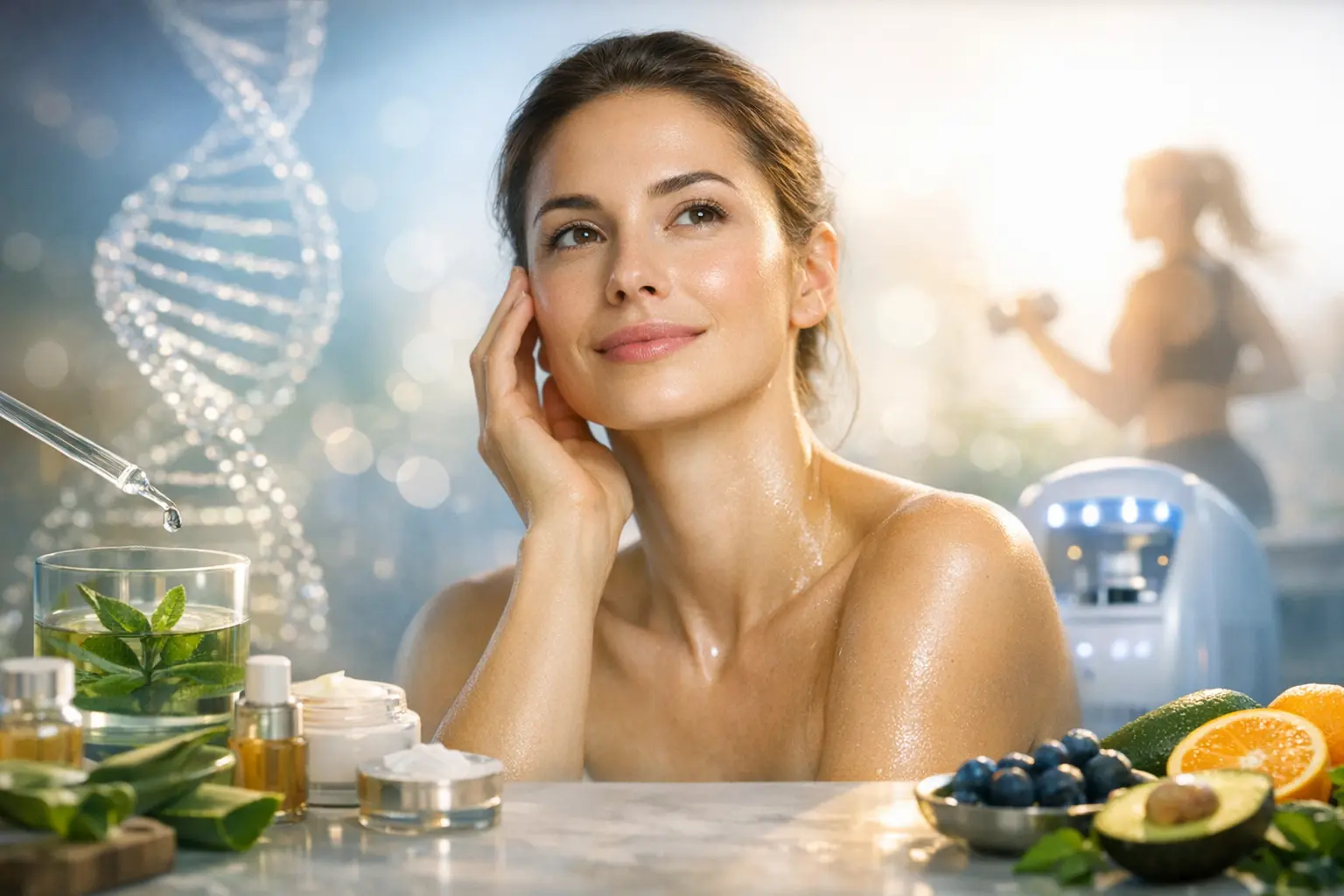
Skin longevity isn’t about chasing a frozen, “ageless” look—it’s about keeping skin resilient, even-toned, well-supported, and able to repair itself year after year. Today’s regenerative beauty therapies, from disciplined lifestyle practices to in-office procedures that harness your skin’s own renewal pathways, make that goal more realistic than ever—but only if you understand what actually drives aging, what truly regenerates, and how to build a plan that fits your biology and budget.
Understanding Skin Longevity: The Science Behind Aging and Regeneration
Skin aging is often discussed like a cosmetic inevitability, but it’s more accurate to think of it as a balance sheet. On one side: damage, inflammation, and breakdown. On the other: repair, collagen production, barrier strength, and cellular turnover. Skin longevity is the strategy of tipping that balance toward repair for as long as possible.
To do that, you need to understand what’s actually changing under the surface.
Intrinsic aging is the slow, genetically influenced aging process—gradual thinning of the dermis, reduced collagen and elastin, slower cell turnover, and diminished oil production. This is why mature skin can feel drier and look less “bouncy,” even in people who avoid the sun.
Extrinsic aging is the accelerant—UV exposure, pollution, smoking, poor sleep, chronic stress, and suboptimal diet. Extrinsic factors drive what dermatology calls “photoaging,” a pattern of wrinkles, rough texture, uneven pigment, and laxity that often appears earlier and more dramatically than intrinsic aging alone.
At the cellular level, several mechanisms matter for longevity-minded skincare:
Collagen breakdown and remodeling. Collagen is your dermal scaffolding. Over time, enzymes called matrix metalloproteinases (MMPs)—especially stimulated by UV—break collagen down faster than your body replaces it. Aging skin often has plenty of “old” collagen fragments, but less high-quality newly synthesized collagen.
Elastin fatigue. Elastin helps skin snap back. It’s more challenging to rebuild than collagen, which is why laxity can be tougher to treat and why prevention (especially UV protection) is so powerful.
Barrier decline. The stratum corneum (outer layer) is your barrier—think of it like brick and mortar. The “bricks” are skin cells; the “mortar” is lipids like ceramides, cholesterol, and fatty acids. As barrier lipids decline, skin loses water more easily (transepidermal water loss), becomes reactive, and heals more slowly.
Inflammaging. Chronic, low-grade inflammation accelerates aging. It may not show up as obvious redness, but it can fuel collagen degradation, pigmentation issues, and impaired healing. If you’ve ever wondered why some people “age faster” under stress, this is a major reason.
Glycation. Excess sugar can bind to proteins like collagen, forming advanced glycation end-products (AGEs). Glycated collagen becomes stiffer and more brittle—less supportive, more prone to wrinkles and sagging. This is a key bridge between metabolism and skin appearance.
Regeneration and turnover. Healthy skin renews itself. Basal cells divide, move upward, and shed—this cycle slows with age. Meanwhile, fibroblasts (collagen-producing cells) become less energetic. The goal of regenerative approaches is not to “force” skin, but to support these renewal pathways so they operate efficiently.
One more essential point: skin longevity is not purely about the face. The neck, chest, hands, and even scalp age too—and often reveal neglect. A longevity plan treats skin as an organ, not a collection of separate beauty problems.
Exploring Regenerative Beauty Therapies: From Natural Remedies to Cutting-Edge Treatments
“Regenerative” is a popular word, and it’s frequently misused. True regenerative therapies aim to improve skin function—collagen quality, blood flow, barrier integrity, and cellular communication—rather than simply masking a surface flaw.
Let’s break down the spectrum from at-home foundations to advanced clinical options.
At-home regenerative foundations (the non-negotiables). These aren’t flashy, but they’re the backbone of long-term outcomes.
1) Daily broad-spectrum sunscreen. If you do one thing for skin longevity, this is it. UV drives collagen breakdown, pigment irregularities, and rough texture. “Broad-spectrum” means UVA and UVB coverage. UVA penetrates deeper and is a major contributor to photoaging—even on cloudy days or through glass.
2) Topical retinoids. Retinoids (retinol, retinaldehyde, tretinoin, adapalene) are among the closest things skincare has to a “regenerative” ingredient class. They increase cell turnover, help normalize pigmentation, improve texture, and stimulate collagen synthesis over time. New users often overdo it; longevity is about consistency, not intensity.
3) Antioxidants. Vitamin C is the classic example. Antioxidants help neutralize oxidative stress from UV and pollution. They’re not a substitute for sunscreen, but they enhance protective effects and support even tone.
4) Barrier support. Moisturizers with ceramides, cholesterol, and fatty acids restore the lipid “mortar.” Over-exfoliation is a common longevity mistake: it can temporarily create glow, but long-term barrier injury often leads to sensitivity, redness, and uneven texture.
Natural remedies: where they help (and where they don’t). Natural doesn’t automatically mean regenerative, but some plant-derived ingredients are genuinely supportive:
- Niacinamide (vitamin B3) improves barrier function, reduces blotchiness, supports a more even tone, and can help regulate oil.
- Centella asiatica (cica) supports calming and recovery—useful after procedures or when sensitized.
- Green tea polyphenols offer antioxidant and anti-inflammatory effects.
- Oat extracts can soothe and support barrier repair.
But be wary of DIY acids, harsh scrubs, and essential oils used undiluted. If a “natural” routine compromises your barrier or triggers inflammation, it’s moving you away from longevity—no matter how clean or artisanal it sounds.
In-office regenerative therapies (where clinical tools can outperform creams). Topicals are powerful, but they can’t physically remodel tissue the way energy-based devices or collagen-induction procedures can. Here are the major categories:
Microneedling (collagen induction therapy). Controlled micro-injuries prompt dermal remodeling, stimulating collagen and elastin formation. It’s commonly used for acne scarring, texture, fine lines, and enlarged pores. The “regenerative” aspect comes from harnessing wound-healing pathways—done properly, with sterile technique and appropriate depth.
RF microneedling. Combines microneedling with radiofrequency energy delivered into the dermis to encourage tightening and collagen remodeling. It can be a strong option for laxity and texture, particularly in lower face and neck, but technique and device settings matter greatly.
Laser resurfacing (ablative vs. non-ablative). Lasers can target pigment, redness, and texture while stimulating collagen remodeling. Ablative lasers remove portions of the skin surface for more dramatic results, but with more downtime. Non-ablative options typically have less downtime but may require multiple sessions.
Light-based therapies (IPL/BBL, LED). IPL/BBL can target pigment and vascular issues, improving tone and “clarity.” LED (red/near-infrared) is gentler and often used to support healing and reduce inflammation—useful as a complementary therapy rather than a standalone miracle.
Injectables with a regenerative angle.
- Biostimulatory fillers (in the hands of experienced injectors) can stimulate collagen and improve structural support over time.
- Skin boosters (often hyaluronic-acid microinjections) can improve hydration and skin quality—more “skin fitness” than volumizing.
PRP and PRF (platelet-rich plasma/fibrin). These use components of your own blood to deliver growth factors that may support healing and collagen remodeling, commonly combined with microneedling. Results can be subtle and vary widely; proper patient selection and realistic expectations are key.
Exosomes and “stem cell” claims. This area is evolving rapidly. Topical or post-procedure exosome products are marketed as regenerative, but quality, sourcing, and clinical evidence vary significantly. If a clinic can’t clearly explain what product is used and how it’s regulated, treat the claims cautiously. True stem-cell therapies are not routine cosmetic services in most legitimate settings and are often a red flag when used as marketing language.
So what’s the practical takeaway? Your at-home routine builds the foundation; professional treatments can amplify results, address deeper issues, and accelerate remodeling—but they’re not substitutes for basics like sun protection and barrier care.
Integrating Lifestyle Factors: Nutrition, Exercise, and Skin Health
If you want skin longevity, your lifestyle is either your greatest multiplier or your biggest saboteur. Procedures can improve collagen and tone, but they can’t outpace daily habits that constantly drive inflammation, glycation, and oxidative stress.
Nutrition: feed the dermis, not just the mirror.
Skin is metabolically active tissue. It needs amino acids to build collagen, essential fats to maintain barrier lipids, and micronutrients to support antioxidant defenses.
- Prioritize protein. Collagen is protein, and the body needs adequate amino acids to produce it. Think of protein as “construction material.” If you’re under-eating protein, many regenerative therapies will underdeliver.
- Favor healthy fats. Omega-3 fatty acids support barrier function and help modulate inflammation. Fatty fish, walnuts, chia, and flax are common sources.
- Color matters. Brightly colored fruits and vegetables provide polyphenols and carotenoids that support the skin’s antioxidant network.
- Manage sugar and ultra-processed foods. This is where glycation and inflammaging show up. You don’t need perfection; you need a consistent pattern that doesn’t chronically spike glucose and inflammation.
- Hydration, but with context. Drinking water supports overall physiology, but “more water” isn’t a magic anti-wrinkle trick. Barrier repair and topical hydration often matter more for visible dryness.
Exercise: circulation and collagen-friendly signaling.
Regular exercise supports skin through improved circulation, better insulin sensitivity, and healthier inflammatory balance. Increased blood flow means more oxygen and nutrient delivery—useful for repair and glow. Strength training is particularly valuable as we age because it supports muscle tone and metabolic health, both of which influence how the face and body “carry” the skin over time.
But there’s nuance. Overtraining without recovery can elevate stress hormones and worsen inflammation. Longevity isn’t about punishment; it’s about sustainable, repeatable habits.
Sleep: the underrated regenerative therapy.
Skin repair is tightly linked to circadian rhythms. Poor sleep can increase inflammatory markers, worsen barrier recovery, and make under-eye darkness and dullness more noticeable. If you’re investing in costly treatments, ask yourself: are you giving your skin the nightly window it needs to rebuild?
Stress: the invisible collagen thief.
Chronic stress can impact hormones, inflammation, and behaviors that indirectly age skin (poor sleep, cravings, reduced routine consistency). The goal isn’t to eliminate stress; it’s to build stress “capacity.” Breathwork, walking, therapy, and consistent exercise often do more for skin over time than another trendy serum.
Alcohol and smoking.
Smoking is one of the most potent accelerants of premature aging—vasoconstriction, oxidative stress, and impaired collagen all compound. Alcohol can worsen dehydration, inflammation, and redness (and it often steals sleep quality). If skin longevity is the goal, these are high-leverage areas to address.
Evaluating the Efficacy of Popular Regenerative Treatments: What Works and What Doesn’t
This is where people either build a smart plan—or waste years chasing hype. Regenerative beauty works best when you separate: (1) what clearly prevents damage, (2) what reliably stimulates remodeling, and (3) what mainly offers short-term cosmetic effects.
High-confidence, high-return strategies.
Daily sunscreen. Prevents new collagen breakdown and pigmentation. It’s not glamorous, but it’s the single most cost-effective longevity tool.
Retinoids. Reliable improvements in texture, fine lines, breakouts, and tone with long-term use. The “doesn’t work” stories are usually irritation stories—meaning the regimen wasn’t titrated properly.
Barrier-first moisturization. Especially important if you use retinoids, acids, or undergo in-office procedures. Healthy barrier equals calmer skin and better tolerance of regenerative treatments.
Professional resurfacing and collagen induction (when appropriately selected). Microneedling, RF microneedling, and certain lasers have consistent logic: controlled injury triggers controlled repair. Outcomes depend heavily on provider skill, correct device settings, and proper aftercare.
Medium-confidence strategies (often helpful, but not universal).
PRP/PRF. Some patients see better glow, faster healing, and incremental texture improvement—especially paired with microneedling. Others see minimal change. If a clinic sells PRP as a dramatic facelift alternative, that’s an expectation problem, not a patient problem.
LED therapy. Can support healing and reduce inflammation; tends to work best as a steady, long-term adjunct. It’s not usually transformative on its own, but it can be valuable for sensitive, redness-prone skin or post-procedure recovery.
Supplements (collagen peptides, etc.). Some people notice improved skin hydration and subtle firmness; results vary with dose, consistency, and overall protein intake. Supplements should complement, not replace, diet and topicals.
Low-confidence or commonly overstated approaches.
Over-exfoliation as “renewal.” AHA/BHA products can be useful for dullness and congestion, but constant peeling doesn’t equal regeneration. Chronic irritation accelerates inflammatory aging and worsens barrier function, often creating a cycle of sensitivity and redness.
“Stem cell” facials with vague claims. Be cautious with marketing that suggests your skin is being “re-grown” without clear mechanisms, product sourcing, and realistic outcomes. Regeneration in human tissue is complex; buzzwords shouldn’t replace transparency.
Miracle devices with no meaningful parameters. If a device can’t explain wavelength (for light), energy settings, depth, or intended tissue target, it’s usually operating more on hope than on physiology.
“Instant lift” products marketed as long-term collagen builders. Tightening creams may temporarily de-puff or create a slight film-based firming effect. That’s fine for events, but don’t confuse temporary cosmetic tightening with true dermal remodeling.
Want a quick litmus test? Ask: What does this treatment do to collagen quality, pigment pathways, blood flow, inflammation, or barrier function—and over what timeline? Real regenerative changes take weeks to months, not hours.
Crafting a Personalized Skin Longevity Plan: Practical Tips for Lasting Beauty
The best plan is the one you’ll follow for years. Skin longevity rewards consistency and punishes chaos. Instead of rotating a dozen products and chasing every new procedure, build a system.
Step 1: Define your “skin longevity goals” in functional terms.
Rather than “I want to look younger,” get specific:
- Reduce uneven pigment and sun spots
- Improve texture and visible pores
- Support firmness and reduce laxity
- Strengthen barrier and reduce sensitivity
- Maintain clear skin and minimize inflammation
Each goal maps to different tools. Pigment responds well to sunscreen plus pigment-targeting actives and light/laser when appropriate. Laxity often needs collagen remodeling (RF microneedling, certain devices) and time. Barrier issues demand simplification, not “more actives.”
Step 2: Build a minimalist daily routine you can execute half-asleep.
Morning (core longevity):
- Gentle cleanse (or just rinse if dry/sensitive)
- Antioxidant serum (often vitamin C or a well-formulated alternative)
- Moisturizer (especially if barrier is compromised)
- Broad-spectrum SPF 30–50, applied generously
Evening (repair and remodeling):
- Cleanse (double cleanse if wearing makeup/sunscreen)
- Retinoid (start 2–3 nights/week, then build up as tolerated)
- Moisturizer with barrier lipids
If you’re acne-prone or dealing with pigmentation, you can layer in targeted actives (like azelaic acid or niacinamide). But add one new product at a time for two to four weeks. Longevity is a long game; irritation is the tax you pay for impatience.
Step 3: Choose procedures strategically, not emotionally.
Procedures should be selected based on your primary limitation:
- Texture and mild scarring: microneedling series, possibly with PRP; consider non-ablative laser depending on skin type.
- Sun spots and redness: IPL/BBL or pigment/vascular lasers; strict SPF before and after.
- Laxity: RF microneedling or other tightening devices; consider biostimulatory injectables if appropriate.
- Deep wrinkles and volume loss: neuromodulators for dynamic wrinkles; thoughtful filler or biostimulators for support (provider skill is critical).
Ask your provider to explain the “why” in plain English: what tissue are we targeting, what changes should occur, how many sessions, what downtime, and what risks? A confident clinic welcomes these questions.
Step 4: Protect your results with recovery discipline.
Regenerative treatments succeed or fail in the aftercare window. Common longevity-minded aftercare principles include:
- Strict sun avoidance and diligent SPF
- Gentle cleansing and barrier repair (ceramides, bland moisturizers)
- Avoiding harsh actives until cleared (retinoids, strong acids)
- Prioritizing sleep and hydration
The point is not to “baby” your skin forever; it’s to support the wound-healing cascade so it results in healthy remodeling instead of prolonged irritation or pigmentation.
Step 5: Use checkpoints, not perfectionism.
Take consistent photos every 8–12 weeks in the same lighting. Look for changes in:
- Evenness of tone
- Texture and reflectivity (how skin catches light)
- Redness and reactivity
- Fine lines at rest (not just in expression)
Why so methodical? Because your brain adapts quickly. Without checkpoints, you may abandon a working plan too early—or keep spending on something that’s not moving the needle.
Step 6: Know when to simplify.
If your skin is stinging, flushing, or peeling chronically, your “regeneration” strategy is likely becoming an inflammation strategy. Pull back to basics: cleanser, moisturizer, sunscreen. Reintroduce actives slowly. Long-term beauty is built on controlled stimulation, not constant irritation.
Conclusion
Skin longevity and regenerative beauty therapies work best when you treat them as a coherent system: prevent avoidable damage, stimulate repair intelligently, and support your biology with consistent lifestyle habits. Sunscreen, retinoids, antioxidant support, and barrier care form the daily foundation; professional treatments like microneedling, RF, and thoughtful laser work can accelerate remodeling when chosen for the right reasons and done with skill.
Most importantly, longevity is not a single product or procedure—it’s a plan you can live with. When you align your at-home routine, your lifestyle, and any in-office treatments around the same goal—stronger collagen, calmer inflammation, better barrier, and more even tone—you stop chasing quick fixes and start building skin that stays resilient for decades.