Wellness festivals have become modern gathering places for people who want more than entertainment—they want restoration, connection, and the kind of emotional release that’s hard to access alone. At their best, these events blend evidence-informed practices (movement, breathwork, nature exposure, sound, ritual) with something equally powerful: communal cathartic experience, where the nervous system co-regulates and the heart feels less isolated. If you’ve ever wondered why a weekend among strangers can feel like a reset button, this guide breaks down what’s really happening and how to engage in a way that lasts long after the tents come down.
Understanding the Essence of Wellness Festivals: A Journey into Communal Healing
Wellness festivals sit at the crossroads of personal development, community culture, and embodied health. They can look like yoga and meditation weekends, holistic health fairs, breathwork intensives, ecstatic dance gatherings, or nature-based retreats with workshops and concerts. But their deeper essence is consistent: they create a temporary “container” for healing—an intentional environment with shared values, structured practices, and a sense of safety that invites people to soften.
This container matters because healing is rarely just a cognitive activity. Most people live in a constant state of low-grade stress, juggling roles, notifications, and performance pressure. Wellness festivals interrupt that pattern. You’re not simply learning about wellbeing; you’re practicing it in a concentrated dose, surrounded by others who are doing the same.
From a physiological perspective, a well-designed festival often nudges the nervous system away from chronic sympathetic activation (fight-or-flight) and toward parasympathetic dominance (rest-and-digest). Breathwork sessions lengthen the exhale. Somatic classes offer slow, mindful movement. Time outdoors increases sensory regulation. Even the removal of everyday cues—commuting, inboxes, deadlines—reduces cognitive load. In other words, the setting does part of the work for you.
Equally important is the social architecture. Many people assume healing is private: you go to therapy, journal, read, reflect. That can be crucial, but humans are social mammals. Our bodies settle in the presence of safety, and safety is often relational. A festival provides micro-moments of connection—smiling at a stranger in line, being welcomed into a circle, sharing a meal after a workshop—that subtly retrain the body to expect support rather than threat.
Not every event delivers this depth. Some lean heavily toward lifestyle branding or “wellness as consumerism.” A high-integrity festival, by contrast, is clear about its purpose. It curates facilitators with real training, creates consent-forward spaces, and balances intensity with integration. The goal isn’t to feel good for three days; it’s to experience a meaningful recalibration and bring something true back home.
The Transformative Power of Communal Catharsis: Why Collective Experiences Matter
Catharsis is often misunderstood as “having a big emotional release.” That can happen, but the more useful definition is emotional processing that leads to relief, clarity, or reintegration. Catharsis becomes communal when the release happens in the presence of others—through shared music, movement, ritual, storytelling, or collective silence—so that your experience is witnessed and mirrored rather than hidden.
Why does that matter? Because isolation changes how emotions behave. When people feel alone with grief, anger, shame, or longing, the emotion can turn into identity: “This is who I am.” In a collective setting, the same emotion often becomes an experience: “This is what I’m feeling, and it’s human.” That shift reduces shame and softens inner resistance, which is frequently what keeps emotions stuck.
Several psychological and physiological mechanisms help explain the impact:
Co-regulation: Nervous systems influence one another. In a calm, supportive group—especially when guided by a skilled facilitator—breathing patterns, posture, and emotional tone often synchronize. This isn’t mystical; it’s a form of social physiology. When the group is steady, individuals get a “borrowed” sense of safety.
Emotional contagion (used wisely): Humans unconsciously mirror one another. In an unstructured crowd, this can amplify anxiety or agitation. In a well-held space, it can amplify relief, courage, tenderness, and joy. The key is containment: clear instructions, consent, and pacing.
Meaning-making: Communal rituals (closing circles, intention-setting, collective singing) help the brain organize experience. Our minds look for narrative. A festival gives shared language—“release,” “integration,” “alignment,” “grounding”—that helps people articulate what’s otherwise wordless.
Witness and validation: Being seen matters. A person who cries alone may feel embarrassed afterward. A person who cries with a supportive group often feels lighter, not smaller. It’s the difference between “I lost control” and “I let something move through.”
The highest-quality communal catharsis doesn’t push people into vulnerability as a performance. It respects pacing. It honors the reality that some people release through tears, others through laughter, others through stillness or simply feeling safe for the first time in a long time. And it builds skills—breath, grounding, boundaries—so catharsis becomes constructive rather than destabilizing.
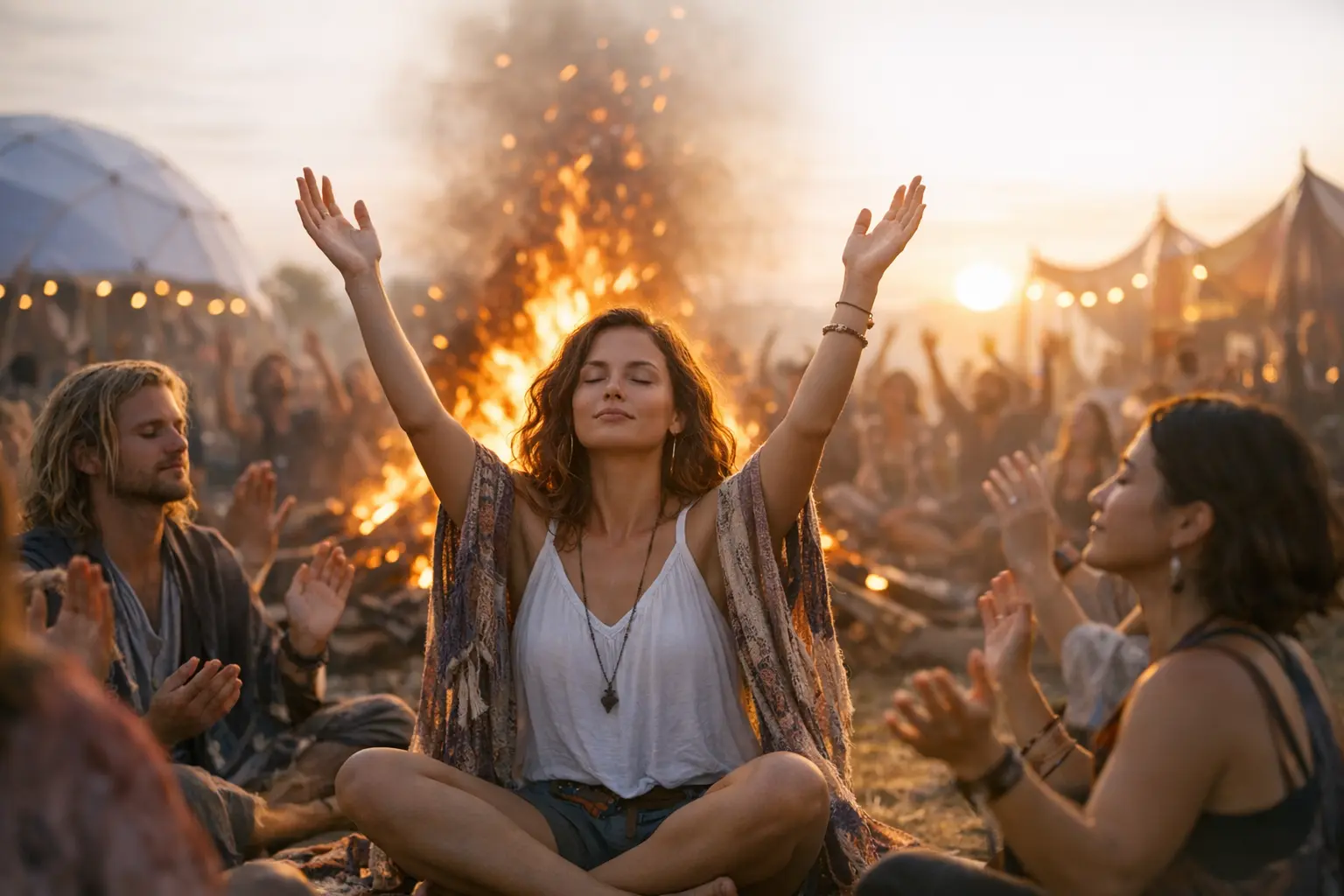
If you’ve ever left a collective dance set feeling both exhausted and clean inside, you’ve experienced a version of this. If you’ve ever sat around a fire listening to people share what they’re overcoming and felt your own defenses drop, that’s communal catharsis at work. The transformation is not just emotional; it can reshape behavior because it changes what your body believes is possible in relationship.
Navigating the Landscape: Types of Wellness Festivals and Their Unique Offerings
“Wellness festival” is an umbrella term, and your experience will depend heavily on the type of event you choose. The best match is less about what’s trending and more about what your nervous system and season of life actually need. Are you depleted and craving restoration? Or stagnant and needing activation? Are you seeking skills, community, spiritual connection, or a health reset?
Here are common formats and what they tend to offer.
Yoga and mindfulness festivals
Often built around movement classes, meditation sessions, philosophy talks, and workshops on breath, alignment, and lifestyle. These events can be excellent for people who want structure and an accessible entry point. Look for variety: gentle, strength-based, trauma-informed, and restorative options. A strong lineup will include both physical instruction and integration practices (journaling, yoga nidra, mindful walking) so the days don’t become a “workout marathon.”
Somatic and trauma-informed gatherings
These festivals emphasize nervous system education, body-based processing, boundaries, and consent culture. You may find somatic experiencing, TRE-style modalities, guided regulation practices, and workshops on attachment, resilience, and embodied communication. They can be profoundly healing, especially for those who’ve felt overwhelmed in louder festival environments. Because somatic work can be deep, the quality of facilitation is non-negotiable. Read bios carefully and prioritize events that explain safety protocols.
Breathwork, sound, and altered-state experiences
Breathwork intensives, sound bath festivals, and trance/ritual music gatherings can catalyze catharsis quickly. Breath affects blood chemistry and autonomic balance; sound influences attention, emotion, and bodily perception. These events can unlock powerful experiences, but they also require self-awareness. If you’re prone to panic, dissociation, or intense emotional flooding, choose beginner-friendly sessions and speak with facilitators ahead of time.
Ecstatic dance and movement-centered festivals
Dance-focused events are often the most direct path to communal catharsis because movement bypasses the intellectual mind. You’ll see guidelines like no talking on the dance floor, no shoes, and respect for personal space—simple structures that create a surprisingly potent container. These gatherings can be liberating for people who struggle to “meditate” traditionally and prefer embodied access to emotion.
Nature-based and outdoor wellness festivals
Some of the most regulating experiences happen in forests, deserts, beaches, and mountains. Expect hikes, cold plunges, sauna rituals, stargazing meditations, and elemental ceremonies. Nature acts as a stabilizer; it widens attention, reduces rumination, and encourages circadian alignment. If you’re chronically overstimulated, nature-first events with a slower pace can be the most sustainable choice.
Holistic health, nutrition, and longevity festivals
These focus on practical tools: metabolic health, gut support, sleep, supplementation, strength training, hormone education, biofeedback, and habit design. Communal catharsis can still happen here—especially around shared struggles like fatigue or burnout—but the center of gravity tends to be skill-building. If you want clear takeaways and measurable change, this category can be ideal.
Spiritual, ceremonial, and ritual-based gatherings
These may include chanting, prayer, sacred music, rites of passage, and cultural traditions. When done with integrity and respect, ritual can bring a depth that feels ancient and deeply human. One caution: discernment is essential. Look for transparency, cultural accountability, and facilitators who don’t promise miracles. A true spiritual container supports self-responsibility rather than dependence.
As you evaluate options, ask: What is the event optimizing for—learning, entertainment, emotional release, community building, or health behavior change? No answer is “best,” but clarity prevents disappointment. A festival designed for ecstatic expression may not offer the quiet integration you hoped for. A science-heavy health summit may not provide the emotional warmth you’re craving. Choose honestly.
Crafting Your Experience: Tips for Engaging Meaningfully at Wellness Festivals
A wellness festival can be life-giving or draining depending on how you engage. Many attendees over-schedule themselves, chase peak experiences, and return home depleted—ironically needing a vacation from their wellness event. The most meaningful approach is intentional participation: enough openness to be surprised, enough structure to stay regulated.
Set an intention, not a performance metric
An intention is a direction of attention, not a goal to force. “I want to feel more connected to my body” works better than “I must have a breakthrough.” Ask yourself: What quality do I want to practice—patience, courage, rest, receptivity, honesty? This gives your weekend coherence without pressure.
Plan for nervous system pacing
Catharsis without regulation can become emotional hangover. Build a rhythm: activation, then downshift. If you do an intense breathwork journey at 10 a.m., schedule a gentle walk or restorative session afterward. If you stay up late dancing, commit to a slow morning. Recovery is part of the practice, not a sign you did it wrong.
Choose facilitators the way you’d choose clinicians
Credentials aren’t everything, but they matter. Look for clear training pathways, experience level, and a teaching style that respects consent. Good facilitators explain what they’re doing and why. They offer opt-outs. They normalize different responses. Beware anyone who uses shame, urgency, or grand promises to pull you into intensity.
Use consent as your primary wellness tool
Consent isn’t only about touch. It’s also about emotional proximity, time, and energy. Before joining a sharing circle, ask yourself if you have the capacity to hear others’ stories today. Before receiving bodywork, clarify boundaries. Before offering advice to a new friend, ask if they want it. A consent-forward approach keeps the festival safe and dramatically improves the quality of connection.
Eat, hydrate, and sleep like it’s your job
It’s tempting to treat the weekend as a spiritual marathon and ignore basics. But physiological stability supports emotional processing. Low blood sugar can mimic anxiety. Dehydration can intensify fatigue and dizziness. Sleep loss can reduce emotional resilience. Pack electrolytes, protein-forward snacks, and a sleep setup you trust (earplugs, eye mask, warm layer).
Engage in “small kindness” community building
Communal healing isn’t only in workshops. It’s in the micro-social moments that teach your body, “Connection is safe.” Introduce yourself to the people next to you. Offer to hold someone’s spot. Compliment a facilitator’s clarity. Ask a simple question: “What brought you here?” These interactions create belonging without forcing intimacy.
Journal for integration, not documentation
Instead of trying to capture every insight, focus on prompts that convert experience into usable wisdom:
• What felt genuinely nourishing today?
• When did I override my body’s “no,” and what did it cost?
• What practice made me feel most like myself?
• What belief softened—even slightly?
Know the difference between catharsis and cure
A big release can be opening, but it is not the same as lasting change. Lasting change is built through repetition, support, and new choices under real-life pressure. If you experience something intense, treat it as meaningful data—not as a finish line. Ask: What ongoing support would help me integrate this safely? Do I need a therapist, coach, or a steadier practice at home?
Take “quiet breaks” before you need them
Many festivals are sensory-rich: music, voices, incense, bright sun, constant movement. Even extroverts can hit saturation. Schedule 20-minute solo pauses—sit in your tent, lie under a tree, breathe slowly, let your eyes soften. These breaks prevent overwhelm and often make the social moments richer.
When you engage with presence and pacing, the festival becomes less about chasing highs and more about building trust with yourself in community. That’s where catharsis matures into healing.
Integrating the Takeaways: Sustaining Wellness Beyond the Festival Experience
The real test of a wellness festival isn’t how you felt during the closing ceremony—it’s what changes in the following weeks. Integration is the bridge between peak experience and lived transformation. Without it, even beautiful weekends can become emotional tourism: moving from one high to the next while everyday life stays the same.
Start with a 72-hour “soft landing”
If possible, avoid stacking your return with intense obligations. Your nervous system has been in a dense social field; it needs time to settle. Keep the first few days simple: nourishing meals, early nights, light movement, minimal alcohol, and reduced screen time. This protects the openness you cultivated.
Pick one or two keystone practices
People often return home with ten tools and use none. Choose the smallest set with the highest impact. Examples:
• 10 minutes of breath downshifting each morning (long exhale, slow pace).
• Two movement sessions per week that you actually enjoy.
• A nightly “device off” ritual 30 minutes before sleep.
• A weekly nature walk without headphones.
Keystone practices work because they create spillover: better sleep improves mood; better mood improves relationships; better relationships reduce stress. Keep it simple enough that you can succeed on hard weeks.
Translate insights into specific behaviors
A festival insight might be, “I need boundaries.” Integration turns that into action: “I won’t respond to work messages after 6 p.m.” Or, “I felt alive dancing” becomes: “I’ll attend one movement class every Saturday.” If you can’t put an insight into a calendar or a sentence with a clear trigger, it probably won’t stick.
Create post-festival community on purpose
The ache many people feel after festivals isn’t just nostalgia—it’s nervous system withdrawal from belonging. Don’t wait passively for connection to happen. Initiate it.
• Exchange numbers with two people and schedule a call within a week.
• Join a local practice group (yoga, meditation, dance, hiking).
• Attend monthly events with the same community to build relational continuity.
• If nothing exists locally, start a simple meetup: “Sunday morning park breath and walk.”
Communal healing becomes durable when it becomes rhythmic.
Expect a rebound—and interpret it correctly
It’s common to feel tender, irritable, or flat after a powerful weekend. That doesn’t mean the festival “didn’t work.” It often means contrast: you touched a regulated, connected state, then returned to old stressors. Treat the rebound as information. What environments dysregulate you fastest? Which relationships drain you? Which habits spike your anxiety? Integration is partly about redesigning your life so wellness isn’t an exception.
Use a “practice, don’t preach” approach with friends and family
After a festival, people sometimes want to convince everyone else to change. That rarely lands well. Instead, embody your shifts. If you learned better listening, practice it at dinner. If you discovered the value of stillness, protect it gently rather than announcing it. Your nervous system will influence others more than your explanations.
Know when to seek additional support
If a festival unlocked grief, trauma memories, or anxiety that feels unmanageable, get skilled help. A competent therapist or somatic practitioner can help you integrate safely. Communal catharsis can open doors; professional support helps you walk through them with stability.
Integration is where the festival’s promise becomes real: not a temporary escape, but a catalyst for a steadier, more connected way of living.
Conclusion
Wellness festivals endure because they offer something many people are starving for: embodied practices that regulate the nervous system, paired with communal experiences that dissolve isolation. In a culture that often treats healing as a private project, these gatherings remind us that transformation is also social—built through co-regulation, witness, ritual, and shared meaning.
The most powerful festivals don’t simply create big moments. They teach you how to resource yourself, how to connect without abandoning your boundaries, and how to let emotion move without getting lost inside it. Choose the right type of event for your season, engage with pacing and consent, and commit to integration with simple, repeatable practices. Do that, and the catharsis won’t remain a weekend story—it will become a turning point that quietly upgrades your everyday life.